

Hair Coloring Services Guide: How to Choose the Right Shade for Your Skin Tone
Choosing a new hair color isn’t just about following trends. It’s about finding a shade that works with your natural features, especially your skin tone. The right color can brighten your complexion, make your eyes stand out, and even change how your face looks in light.
With so many hair coloring services available today, understanding how to choose a tone that suits your skin can make all the difference between a great result and an awkward one.
Whether you’re booking an appointment at a professional hair coloring salon or trying a new look for the first time, learning how skin tone affects hair color is essential.
In this guide, you’ll learn how to pick the most flattering shades for your skin tone and how professionals help you make that decision.
Why Skin Tone Matters in Hair Coloring Services
Hair color works like makeup—it can enhance or overshadow your natural beauty. That’s why stylists at top hair coloring salons always consider your undertone before applying dye. Undertones are the colors beneath your skin that affect how hair shades appear on you.
There are three main undertones:
- Warm: skin with golden, peach, or yellow hues
- Cool: skin with pink, red, or blue hues
- Neutral: a balance of both warm and cool
Skin tone influences how a hair color will blend with your face. If the tone doesn’t match, even a well-done balayage hair coloring or expensive dye job can feel off. But when the tone complements your skin, the result looks natural and refined.
How to Find Your Skin Tone
Before choosing any hair color for women or men, you need to identify your skin’s undertone. The simplest way is the jewelry test. If gold jewelry flatters you more than silver, you likely have warm undertones. If silver looks better, you’re cool-toned. If both suit you equally, your undertone is neutral.
Another way is the vein test. Look at the veins on your wrist:
- Greenish veins = warm undertones
- Bluish or purple veins = cool undertones
- A mix = neutral undertones
You can also observe how your skin reacts to sun exposure. Warm-toned individuals often tan easily, while cool-toned skin burns quicker.
Best Hair Colors for Warm Skin Tones
If your undertones are warm, you’ll look best in rich, golden hues. These shades add warmth and shine to your complexion:
- Golden blonde
- Honey brown
- Caramel
- Copper
- Warm chestnut
Avoid ashy or blue-toned shades. They can wash out your skin and make it appear dull. Warm tones enhance natural golden undertones and make your features glow. These are excellent choices for both permanent and semi-permanent hair coloring services.
Best Hair Colors for Cool Skin Tones
Cool-toned skin pairs well with ash-based colors and cool shades that balance redness and pink hues:
- Ash brown
- Platinum blonde
- Burgundy
- Cool black
- Icy highlights
Colors with blue, violet, or green bases will brighten your skin and keep redness in check. These shades often work well with balayage hair coloring too, especially on darker bases.
If you’re trying to cover grey while keeping a modern look, cooler shades are also ideal in hair dye for men. They blend seamlessly with silver strands without turning brassy.
Best Hair Colors for Neutral Skin Tones
Lucky you, most colors will look great if you have neutral undertones. This skin tone gives you the flexibility to experiment with both warm and cool colors:
- Rose gold
- Soft auburn
- Neutral brown
- Dark honey
- Sandy blonde
If you’re new to color and unsure about committing to a dramatic change, neutral tones are a good starting point. They allow for experimentation without clashing with your complexion.
How Professional Hair Coloring Salons Choose Your Shade
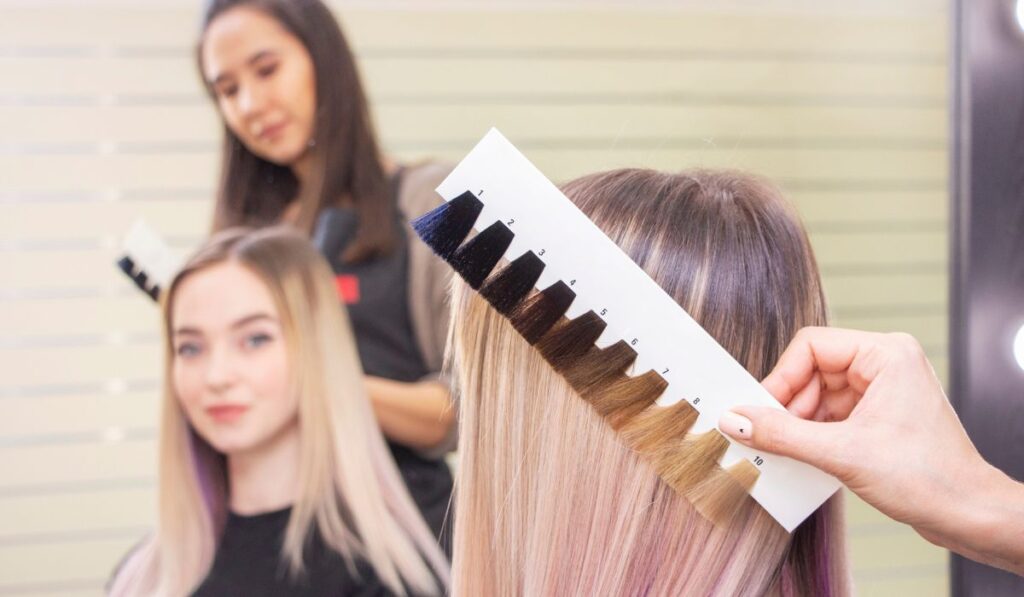
Choosing the right hair color for women or men involves more than holding up a swatch. A skilled stylist evaluates your skin tone, eye color, hair condition, and lifestyle. During a consultation, they may also perform a patch test to check for product sensitivity.
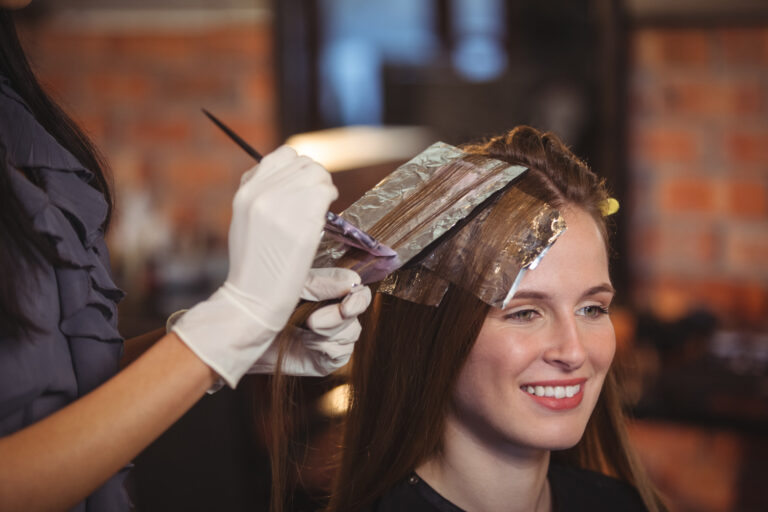
If you’re visiting a hair coloring salon for a full color, highlight, or balayage, expect a personalized process. For example, if you have cool-toned skin and want to try a golden balayage, the stylist might tone it with a neutral gloss to avoid too much warmth.
Balayage hair coloring is especially popular because it’s customizable. A stylist can paint highlights where light naturally hits your hair and adjusts color depth based on your tone.
The final result is a blended, low-maintenance style that grows out gracefully, perfect for anyone wanting a polished yet effortless look.
How Hair Texture and Natural Color Play a Role
Skin tone isn’t the only thing that matters. Your natural hair color and texture also affect how dye takes to your hair. Fine hair tends to absorb color more easily and may appear more vibrant. Coarse or curly hair might need extra care or layering during the coloring process to ensure even results.
If your hair is already color-treated or has been bleached, it’s important to talk with your stylist about past treatments. This ensures the new color reacts well and avoids unexpected results.
Don’t Overlook Maintenance
Hair coloring isn’t a one-time process. Once you’ve found the perfect shade, keeping it fresh involves the right care. Here are a few tips:
- Use sulfate-free, color-safe shampoo and conditioner.
- Protect your hair from heat with a thermal spray before styling.
- Wear a hat or use UV-protectant sprays when exposed to sun.
- Schedule touch-ups every 6–8 weeks for permanent color or every 10–12 for balayage.
- Use gloss or toner treatments between appointments to refresh color vibrancy.
If you’re someone who prefers low-maintenance hair care, balayage hair coloring is a strong option. It allows more time between salon visits while still maintaining a high-end appearance.
Hair Coloring for Men
More men today are turning to professional salons for color services. Whether it’s for grey blending or a fresh new shade, hair dye for men is tailored to be natural and subtle. For men with cool skin tones, ash or dark brown shades help tone down redness. For warm undertones, golden or neutral browns offer a smooth look.
Men’s coloring often focuses on blending and soft transitions, not full coverage. A good stylist can add dimension while keeping the look understated and masculine.
Bring Your Hair Goals to Life
Choosing a hair color should never be guesswork. When you understand your skin tone and how it interacts with color, your hair becomes a natural extension of your style. That’s the real value of professional hair coloring services, not just a change in appearance, but a transformation rooted in care, precision, and experience.
If you’re ready to explore a look that brings out your best features, trust a salon that understands this balance. At 4th Quarter Hair Lounge, every color service starts with a thoughtful consultation, custom-mixed formulas, and expert application. Whether you want subtle depth or bold change, the result is always designed for you.